Rastriya Prajatantra Party Nepal (RPP) Members: Structure, Role, and Political Significance
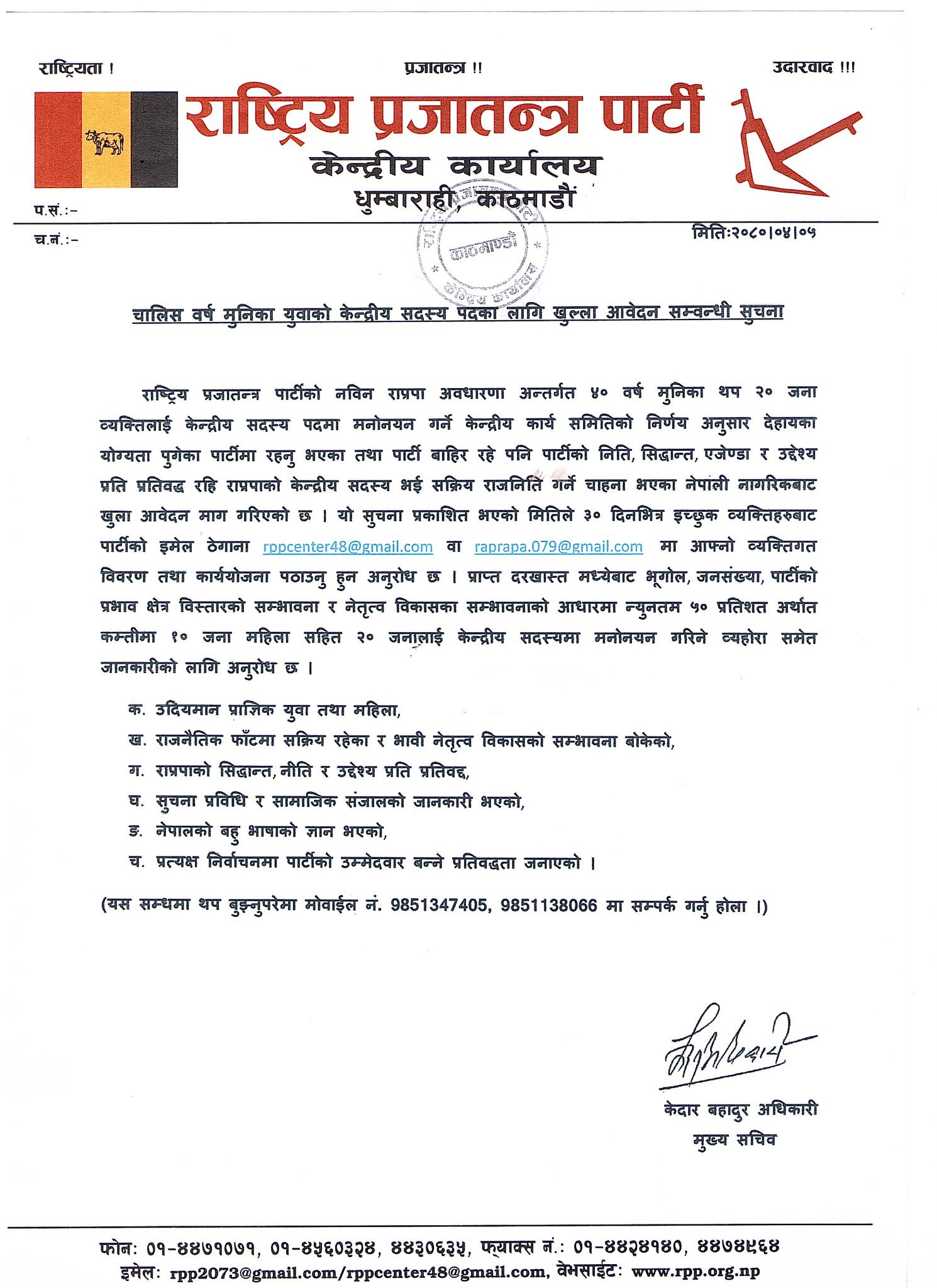
The members of Rastriya Prajatantra Party Nepal (RPP) play a central role in shaping the party’s ideology, campaigns, and parliamentary direction. Often referred to informally as “Raprapa party members,” they include elected representatives, central leaders, district committees, and grassroots supporters across Nepal.
This article provides a clear, answer-focused overview of who RPP members are, how they are organized, and why they matter in Nepal’s political landscape.
Who Are RPP Members?
RPP members consist of:
- Central Committee Members – Policy-making and strategic leadership at the national level
- Parliamentary Party Members – Elected MPs representing RPP in the Federal Parliament
- Provincial Assembly Members – Representatives in provincial legislatures
- District and Local Committee Members – Organizational leaders at grassroots level
- General Members and Supporters – Registered individuals aligned with party ideology
The party operates under a structured hierarchy, ensuring coordination between national leadership and local units.
Key Leaders Among RPP Members
Prominent figures within the party include:
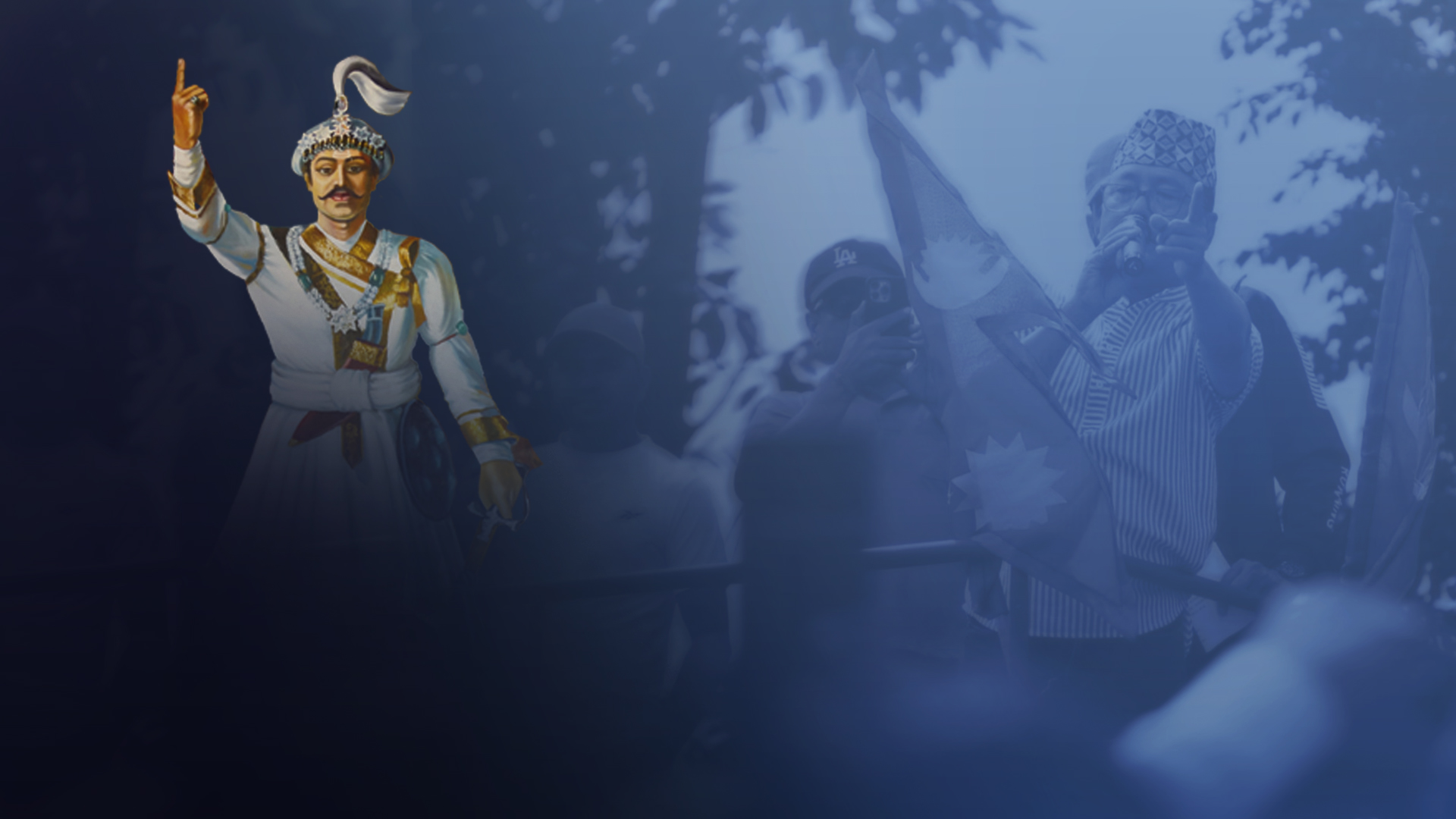
- Rajendra Lingden – Chairman of RPP and Member of Parliament
- Senior central leaders and spokespersons who guide party policy and public communication
These leaders represent the party in national debates, parliamentary sessions, and public forums.
What Is the Ideological Position of RPP Members?
RPP members collectively advocate for:
- Restoration of Nepal as a Hindu state
- Constitutional monarchy
- National sovereignty and identity
- Good governance and anti-corruption reforms
Their ideological stance distinguishes them from republican and secular parties in Nepal.
How Many Members Does RPP Have?
The exact number of active members changes over time due to membership drives and internal reorganizations. The party regularly conducts:
- Membership renewal campaigns
- Youth and women’s wing expansions
- District-level organizational strengthening programs
RPP’s membership base includes thousands of registered supporters nationwide.
Role of RPP Members in Parliament
RPP members in the Federal Parliament of Nepal:
- Participate in lawmaking and policy debates
- Raise issues related to nationalism and constitutional reform
- Question government policies
- Represent constituencies at the national level
Although not one of the largest parties, RPP members often play a strategic role in coalition politics.
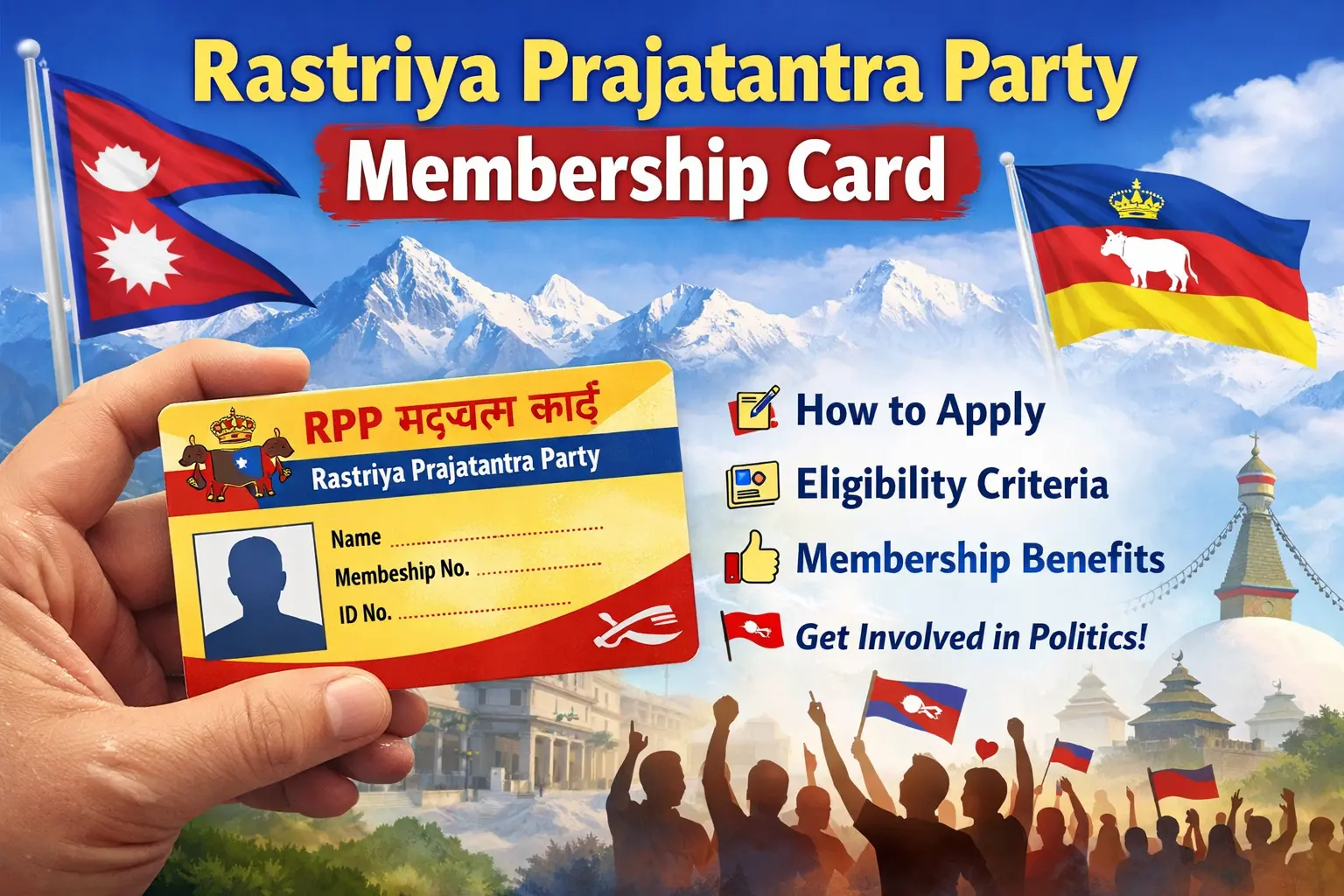
How to Become an RPP Member?
To become a member of RPP:
- Fill out a membership form (online or through district office)
- Pay the required membership fee
- Agree to the party’s constitution and principles
Membership cards are issued upon verification.
Why RPP Members Matter in Nepal’s Politics?
RPP members represent a political constituency that supports traditional monarchy and Hindu state ideology. In recent years, the party has seen renewed attention, especially among youth and conservative voters.Their influence extends beyond parliamentary seats, shaping debates on identity, religion, and governance in Nepal.
Conclusion
Rastriya Prajatantra Party members form a structured political network from grassroots activists to national lawmakers. Their ideological clarity and organizational structure continue to make them a relevant force in Nepal’s evolving political system.